
The Shaolin Way:
Ancient Wisdom for the Modern Warrior.
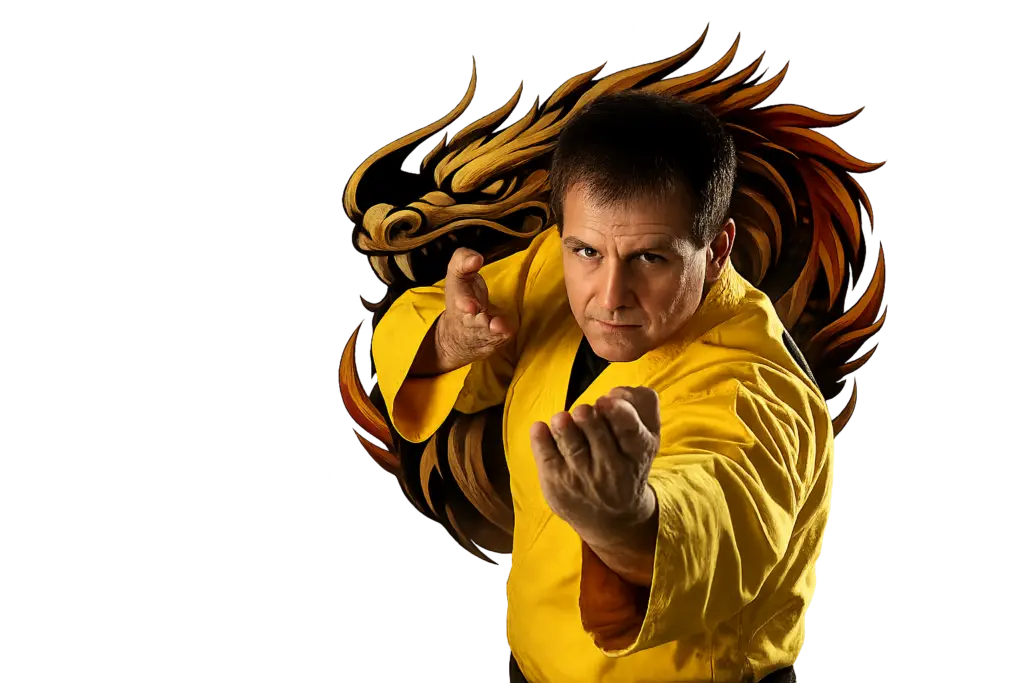
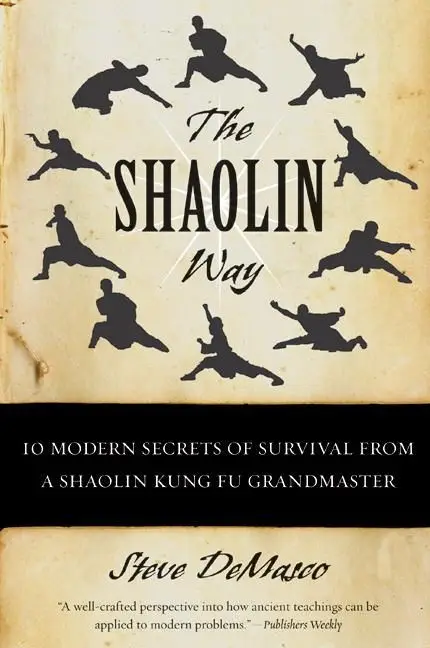
Ancient Shaolin Wisdom for Modern Life.
Most people spend their lives searching for strength in titles, achievements, and others’ approval. The Shaolin Way Book offers a different path: one forged in the streets of Spanish Harlem, refined in the halls of the Shaolin Temple in China, and proven in classrooms, boardrooms, and the highest levels of government.
Grandmaster Steve DeMasco translates 1,500 years of Shaolin Philosophy into a practical guide for modern life. More than a martial arts book, it is a roadmap for leadership, service, and personal responsibility.
The Shaolin Way Book is a guide to discipline, resilience, leadership, and discovering that real strength is always measured by how much you can give back.
More Than a Martial Arts Book. A Personal Growth Book for a Life Worth Living.
When most people hear “Shaolin,” they think of combat. Kicks. Forms. Physical prowess. But the deepest teaching of the Shaolin tradition has never been about fighting. It has always been about becoming.
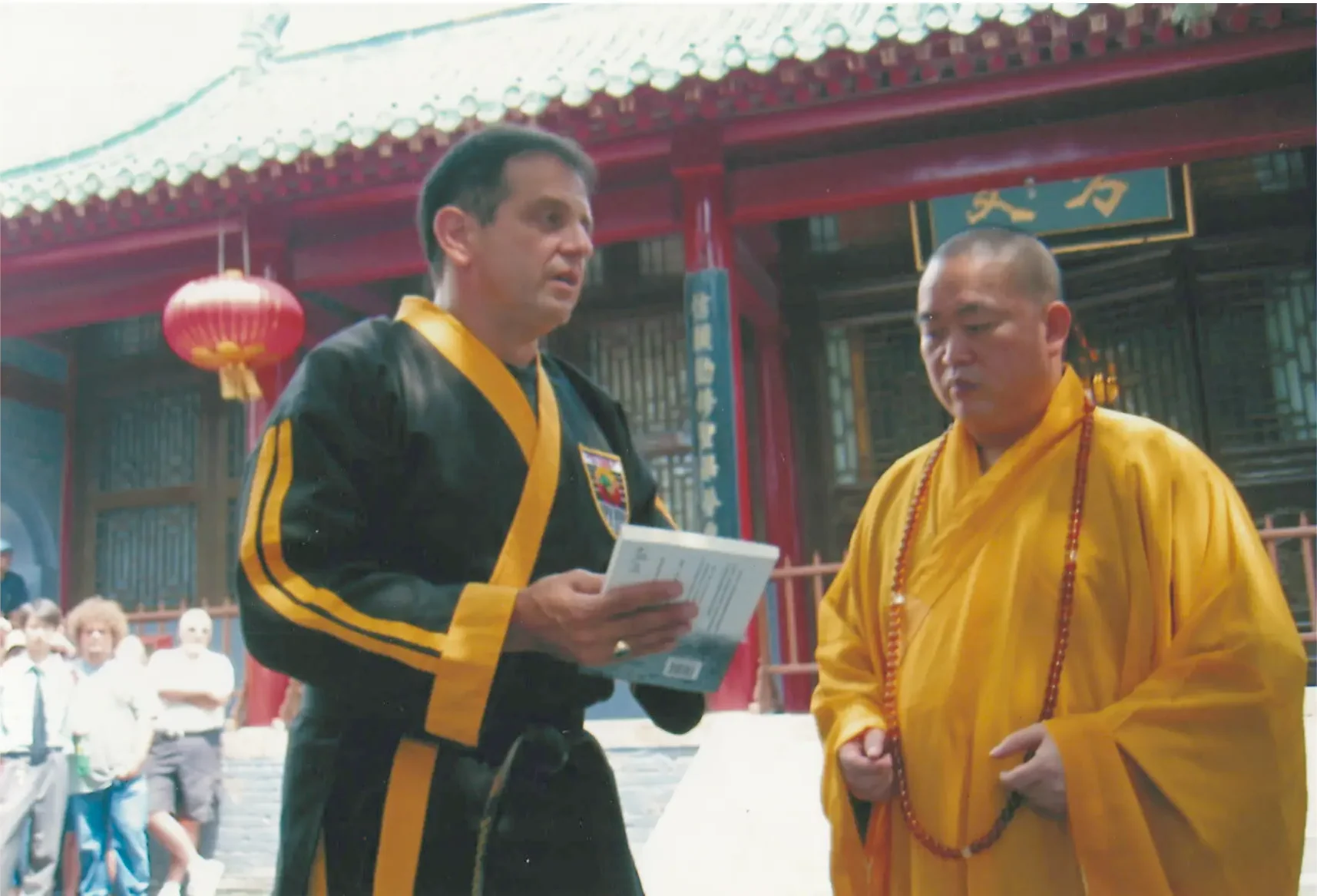
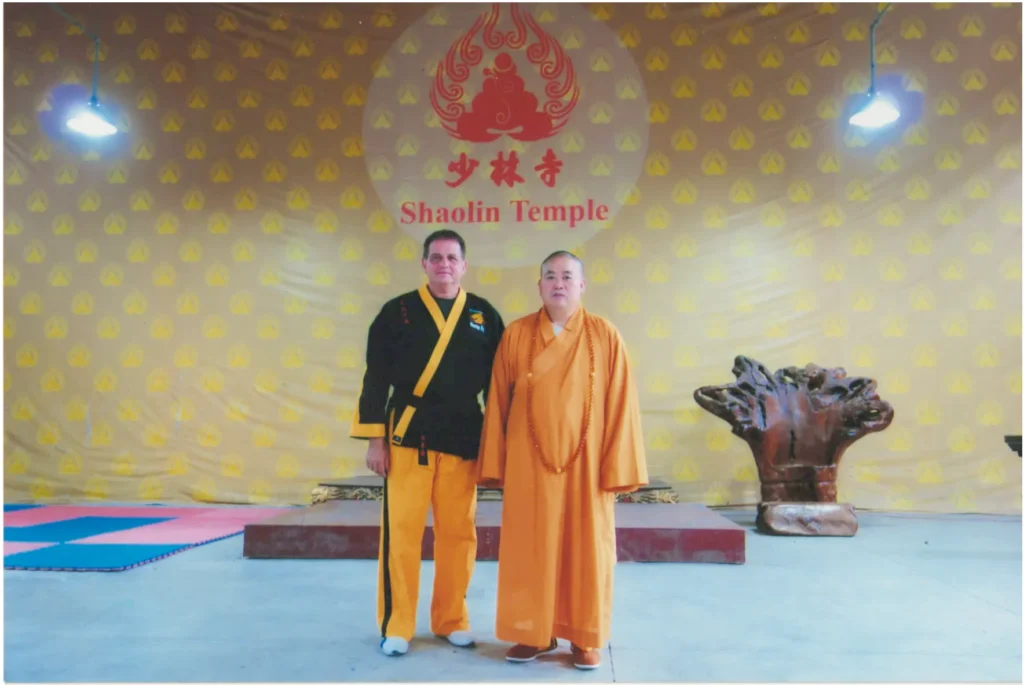
Grandmaster DeMasco was named a 31st Generation Lay Lineage Disciple — one of the most distinguished designations in the Shaolin tradition. That recognition was not given for what he could do in a fight. It was given for what he chose to do with his life.
The Shaolin Way draws on that lineage to answer a simple but urgent question: How do you build a life of genuine strength — strength that lifts others rather than diminishes them?
The Journey Behind the Book
Steve DeMasco did not grow up with advantages. He grew up in Spanish Harlem, raised by a single mother whose quiet dignity and iron will were his first lessons in strength. When his family moved to Brockton, Massachusetts, he encountered something he had not expected: isolation. As an outsider in a new community, he was forced to learn a skill that would define the rest of his life — how to build a bridge when everyone else is building a wall.
That journey eventually led him to China, to the Shaolin Temple, where he trained under masters who had devoted their entire lives to a single idea: that the only purpose of personal strength is to serve others. He returned to the United States and founded Steve DeMasco’s Shaolin Studios (SDSS) — not as a place for competition, but as a center for character development.
The Shaolin Way Book is the written record of everything Steve learned along the way. It captures lessons in resilience, service, and leadership that continue to shape his work today.
What You Will Find Inside
The Shaolin Way is not a philosophical treatise. It is a field guide, written by someone who has lived every lesson in it. Readers have found it useful in classrooms, boardrooms, locker rooms, and living rooms. Here is what you will take away:
A Framework for Resilience
Learn how to use adversity — not avoid it — as the raw material for lasting strength. The Shaolin approach to hardship is not stoic endurance; it is active transformation.
The Discipline of Service
Discover why the most powerful leaders in history were not the most aggressive — they were the most committed to the people around them. True discipline, in the Shaolin tradition, is always in service of something larger than yourself.
Bridge-Building in a Divided World
Grandmaster DeMasco has spent his career connecting people who believe they have nothing in common. This section offers a practical approach to building trust across cultural, professional, and generational divides.
The Inner Life of a Warrior
What does it actually mean to be strong? Not in a gym. Not on a stage. But at two in the morning when no one is watching, and the easy road is right in front of you.
Who This Book Is For
The Shaolin Way was written for people who lead — whether that means leading a Fortune 500 company, a classroom, a family, or simply themselves through a difficult season of life. It has been read by:
- Corporate executives looking for a leadership philosophy that goes deeper than productivity metrics
- Educators who know that the most important thing they teach has nothing to do with their subject matter
- Athletes and coaches who understand that mental and character development precede physical achievement
- Community leaders who are building something in the face of genuine resistance
- Anyone who grew up feeling like an outsider and learned — or is still learning — how to turn that into a superpower
Bring the Book to Life
The principles in this book are not meant to stay on a shelf. Grandmaster DeMasco brings The Shaolin Way to life for live audiences — from corporate leadership summits to university commencement programs to nonprofit leadership retreats. The talk draws directly from the book’s core themes: resilience, service, bridge-building, and the discipline required to lead with integrity under pressure.
If you are planning an event and want your attendees to walk out differently than they walked in, start with a conversation.
Frequently Asked Questions
Is this book only for people with a martial arts background?
Not at all. The Shaolin Way uses the martial arts tradition as a lens, but the lessons apply to anyone who leads, teaches, or mentors. The majority of readers have no martial arts experience — they are drawn to the book because they are looking for a more grounded approach to strength and leadership than most business books offer.
How does this book differ from other leadership books?
Most leadership books are written from the top of the mountain looking down. This one was written from the streets of Harlem looking up. The Shaolin Way earns its conclusions — every principle in it was forged through real experience, tested in real communities, and validated at the highest levels of government, education, and law enforcement. The wisdom is ancient. The application is urgently current.
Is The Shaolin Way appropriate for use in educational settings?
Yes. Grandmaster DeMasco has spent decades in character education and has used the MIT framework that underlies this book with students from elementary school through graduate programs. Teachers, school counselors, and youth program coordinators have found it especially useful for working with students who have disengaged from traditional educational models.